Section 1: Neon Oasis Chronicles
Learn how the Hoover Dam was built, how the Flamingo Mafia created a punting empire, and how the city survived the era of nuclear tourism in the 50s.
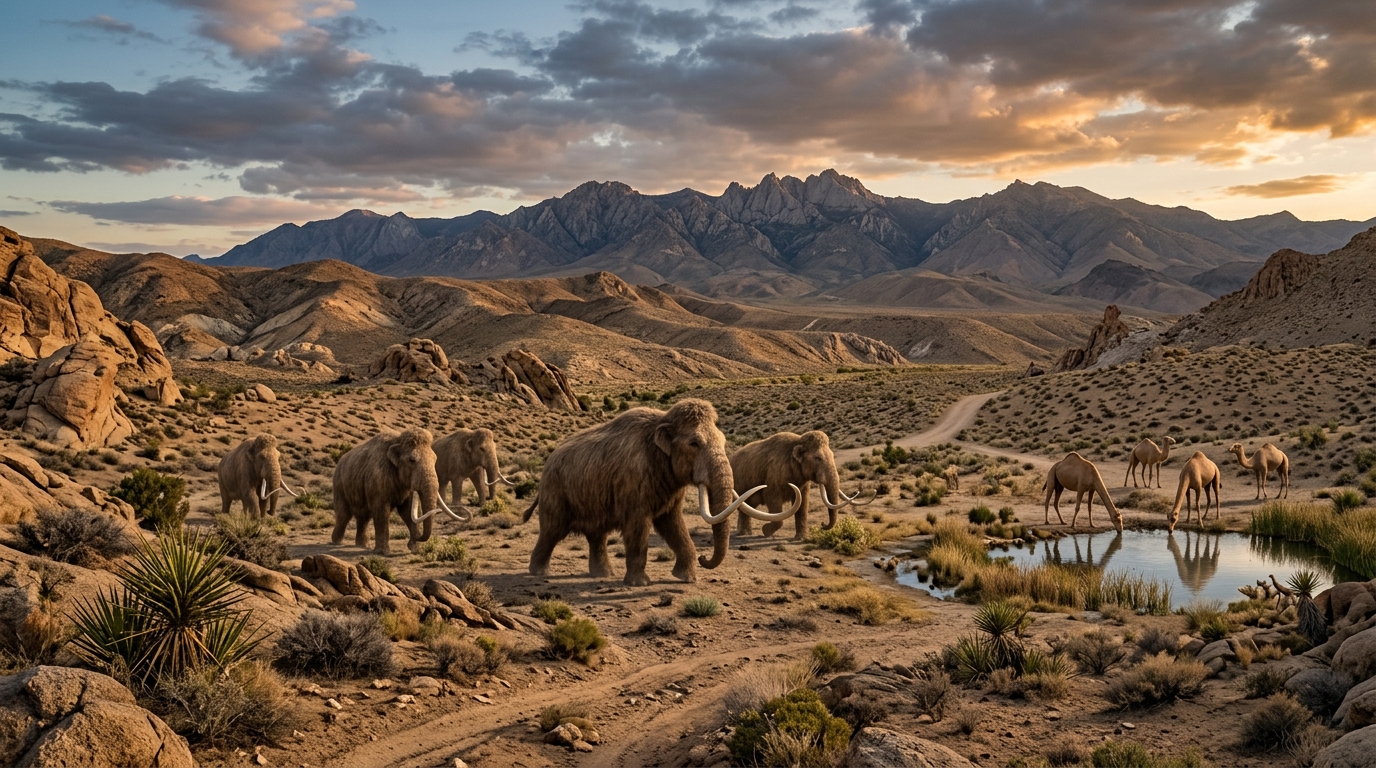
1. Prehistory and Paiute Heritage
In ancient times, the landscape of the Las Vegas Valley and much of southern Nevada was a wet swamp with abundant vegetation. Later, the rivers sank underground and the valley became the arid, harsh Mojave Desert. Evidence of prehistoric life abounds at Tule Springs National Fossil Site, where remains of Columbian mammoths and ancient camels Camelops hesternus have been discovered. The first Native Americans settled in the valley more than 10,000 years ago. Around 700 AD, the Southern Paiute Indians migrated here, wandering between the mountains in the summer and wintering in the valley near the artesian springs of Big Springs.
Key Facts:
- Fossils from the Pleistocene period have been found at Tool Springs: mammoths and camels.
- The Paiutes used Big Springs as a winter refuge in the harsh desert.
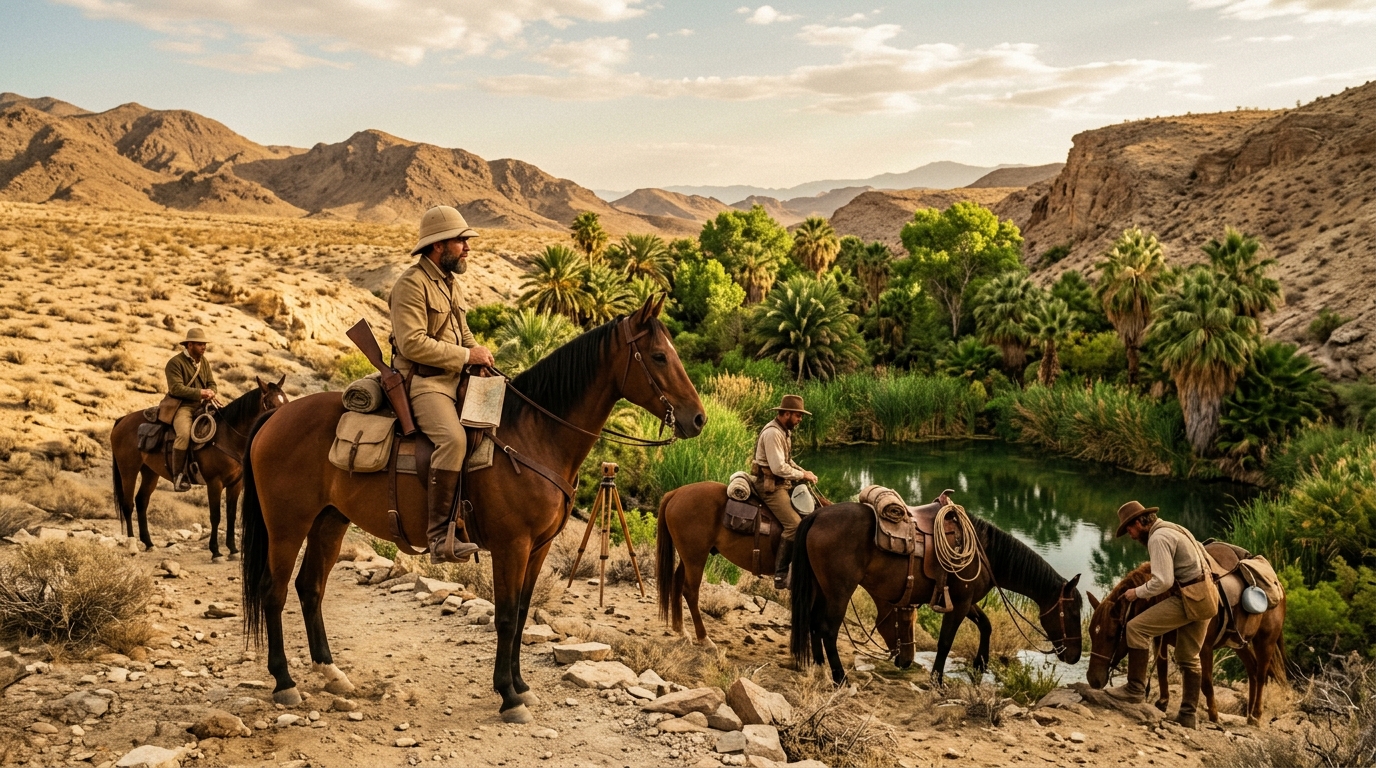
2. Discovery of the oasis and Fremont expedition (1829–1844)
In 1829, Mexican trader Antonio Armijo led a 60-man caravan to establish a trade route from New Mexico to Los Angeles along the Old Spanish Trail. A member of his squad, an experienced scout Rafael Rivera, lost his way under the scorching sun and accidentally stumbled upon a valley where artesian springs gushed out of the ground, feeding lush green vegetation in the middle of the desert. The caravan escaped, and the area was named 'Las Vegas', which in Spanish means 'meadows' or 'fertile plains'. On May 3, 1844, when the territory still belonged to Mexico, the American explorer and officer John Fremont arrived here, leading a scientific expedition on behalf of the US Army Corps of Engineers. Fremont set up camp at the springs and built a secret fort in preparation for a possible war with Mexico, which would result in the region becoming part of the United States.
Key Facts:
- Rafael Rivera is the first European to set foot in the future Las Vegas.
- The name 'Las Vegas' is directly related to the artesian water that fed the green meadows.
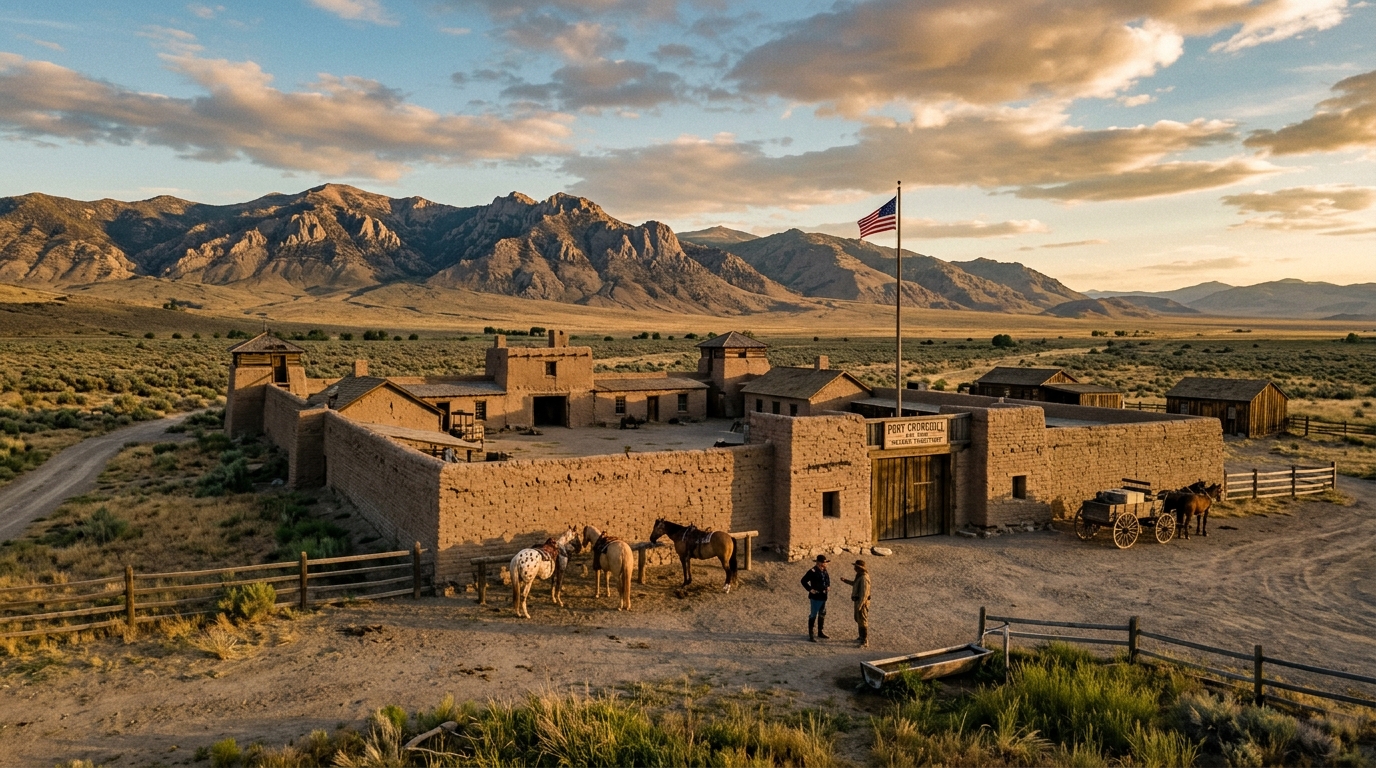
3. Mormon Fort and Ranch of Octavius Gass (1855–1902)
In 1855, at the direction of Mormon leader Brigham Young, a group of 29 missionaries led by William Bringhurst arrived in the valley. They built a square adobe (adobe) fort measuring 46 meters (150 ft) and established irrigated agriculture. However, due to unbearable summer heat, crop failures and internal conflicts, the Mormons abandoned the fort in 1857. In 1864, during the Civil War, the U.S. Army falsely claimed the fort as Fort Baker to deceive Confederate spies in California. In 1865, the fort was occupied by Octavius Gass, who negotiated with the dying Paiute tribe to relocate them in exchange for supplies. Gass created a thriving 'Las Vegas Ranch', produced wine and turned the place into a premier stop on the Spanish Trail. Due to debts, Gass lost the ranch in 1881, and it passed to Archibald Stewart. After Stewart's murder in 1884, his widow Helen Stewart managed the ranch and became the local postmaster, expanding the property to 1,800 acres.
Key Facts:
- Adobe Fort is the oldest surviving European building in southern Nevada.
- Helen Stewart is the 'First Lady of Las Vegas' who kept the ranch and later sold it to the railroad company.
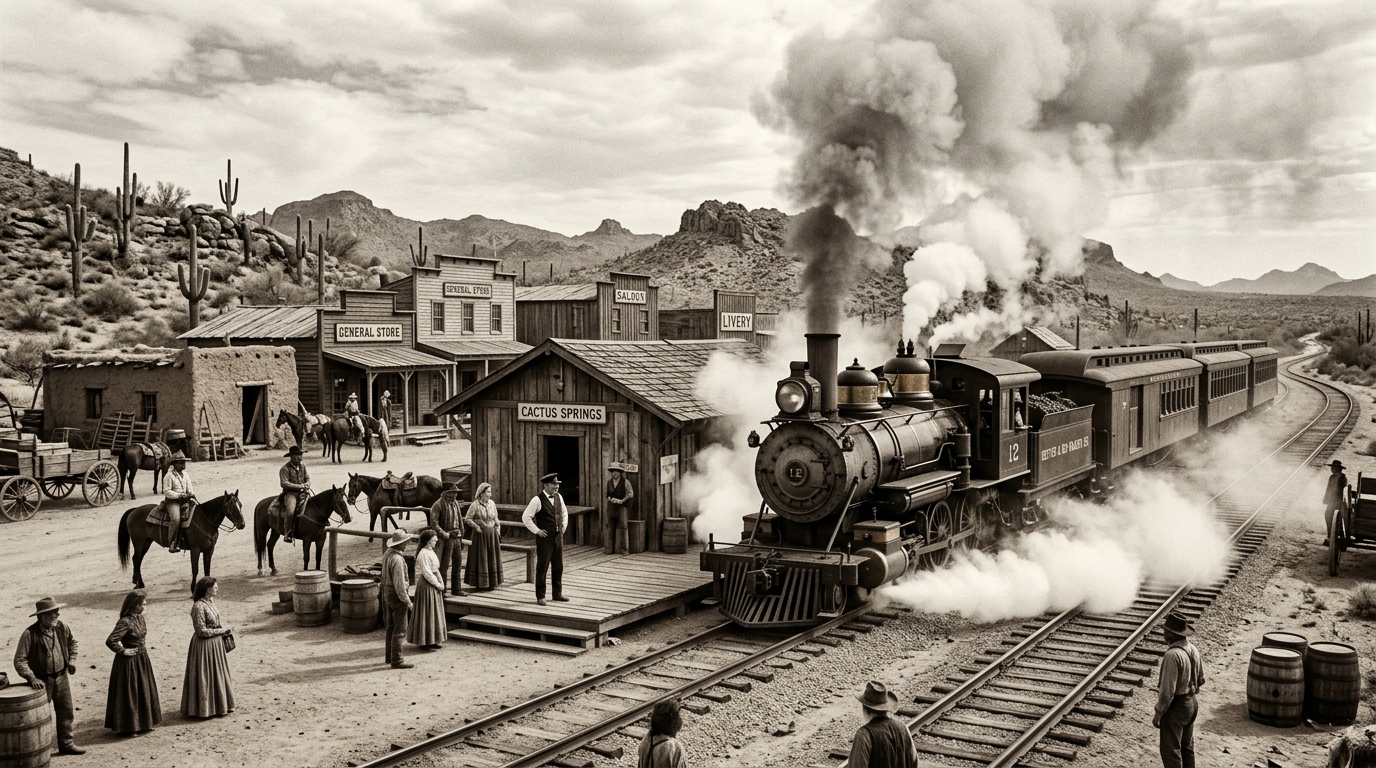
4. The Railroad Boom and the Tough 1910s (1902–1929)
In 1902, Helen Stewart sold the ranch for $55,000 to the San Pedro, Los Angeles and Salt Lake Railroad, owned by Montana Senator William Andrews Clark. The railroad was completed in 1905, linking Salt Lake City to Los Angeles, and Las Vegas became a key station for refueling steam locomotives. On May 15, 1905, 110 acres of land in the future downtown were auctioned off in one day, which is considered the official founding of Las Vegas. Clark County was created in 1909, named after railroad magnate Clark, and the city was officially incorporated in 1911, electing Peter Buol as its first mayor. In 1910, Nevada reluctantly enacted a stringent punting ban that prohibited even coin flipping behind a bar. The economy was crippled by the bankruptcy of the Las Vegas-Tonopah line in 1917 and the national railroad strike in 1922, which plunged the city into deep crisis.
Key Facts:
- May 15, 1905 is the official birthday of Las Vegas.
- Clark County is named after Senator William Clark, who bought the land for the railroad.
5. Great Depression, Hoover Dam and Legalization (1930–1940)
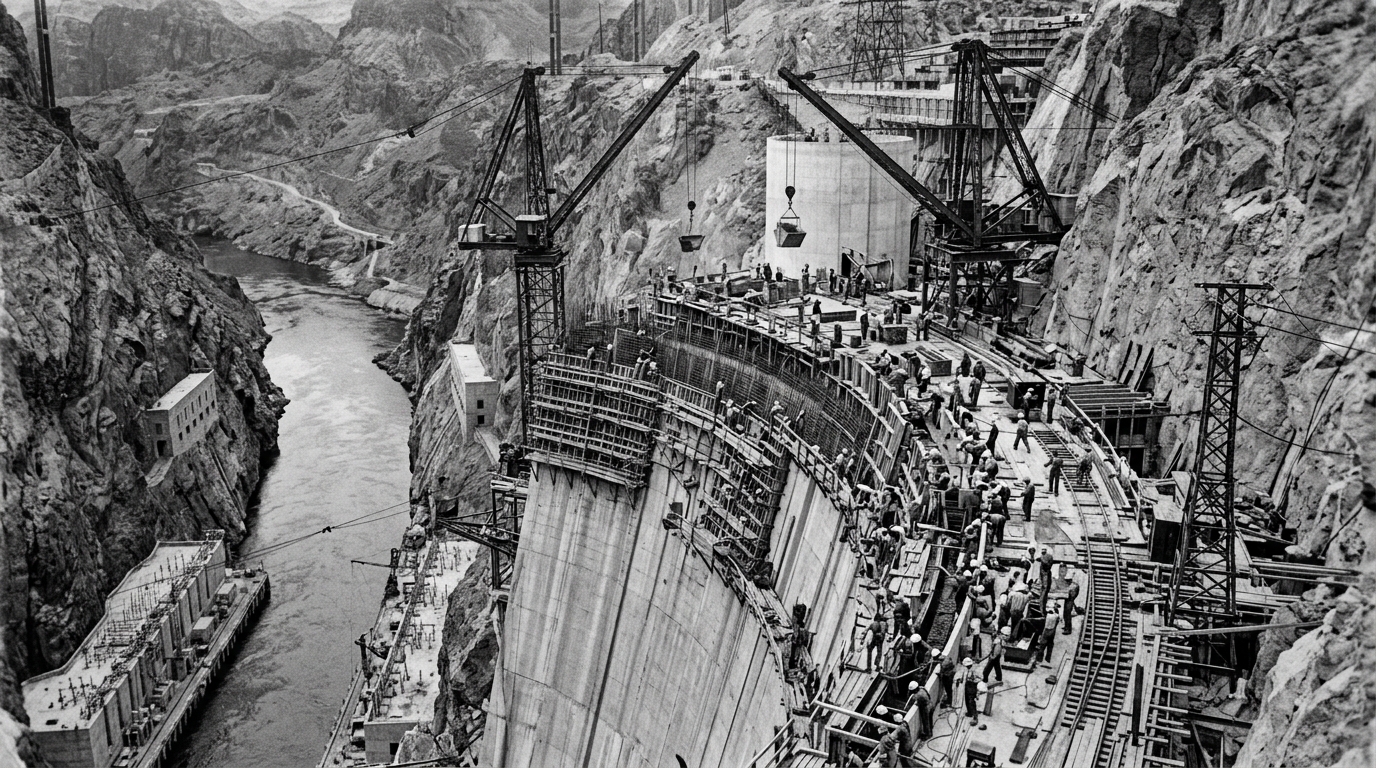
On July 3, 1930, President Herbert Hoover signed legislation authorizing the construction of the giant Boulder Dam (later renamed Hoover Dam). When work began in 1931, the population of Las Vegas instantly jumped from 5,000 to 25,000 as unemployed men arrived from all over the country. Realizing the financial benefit of serving this enormous workforce, Nevada legislators legalized local punting in March 1931. The Northern Club received the first official license on Fremont Street, followed by the Las Vegas Club and Hotel Apache. Fremont Street was paved and received Nevada's first traffic light in 1931. Fearing the moral decay of the workers, the federal government built a closed model city for them, Boulder City, and banned punting there. However, workers found workarounds to fill Vegas casinos. With the completion of the dam in 1935 and the start of the transmission line from Southern Nevada Power in 1937, Fremont Streetlit up in neon lights and given the worldwide nickname 'Glitter Gulch', the dam itself and Lake Mead became powerful tourist magnets.
Key Facts:
- The first casino license was received by a woman, Mayme Stoker (owner of the Northern Club) in 1931.
- Cheap energy from the Hoover Dam gave birth to the iconic neon style of Las Vegas.
6. Coming of the Mafia: Bugsy Siegel and the Flamingo Hotel (1941–1955)
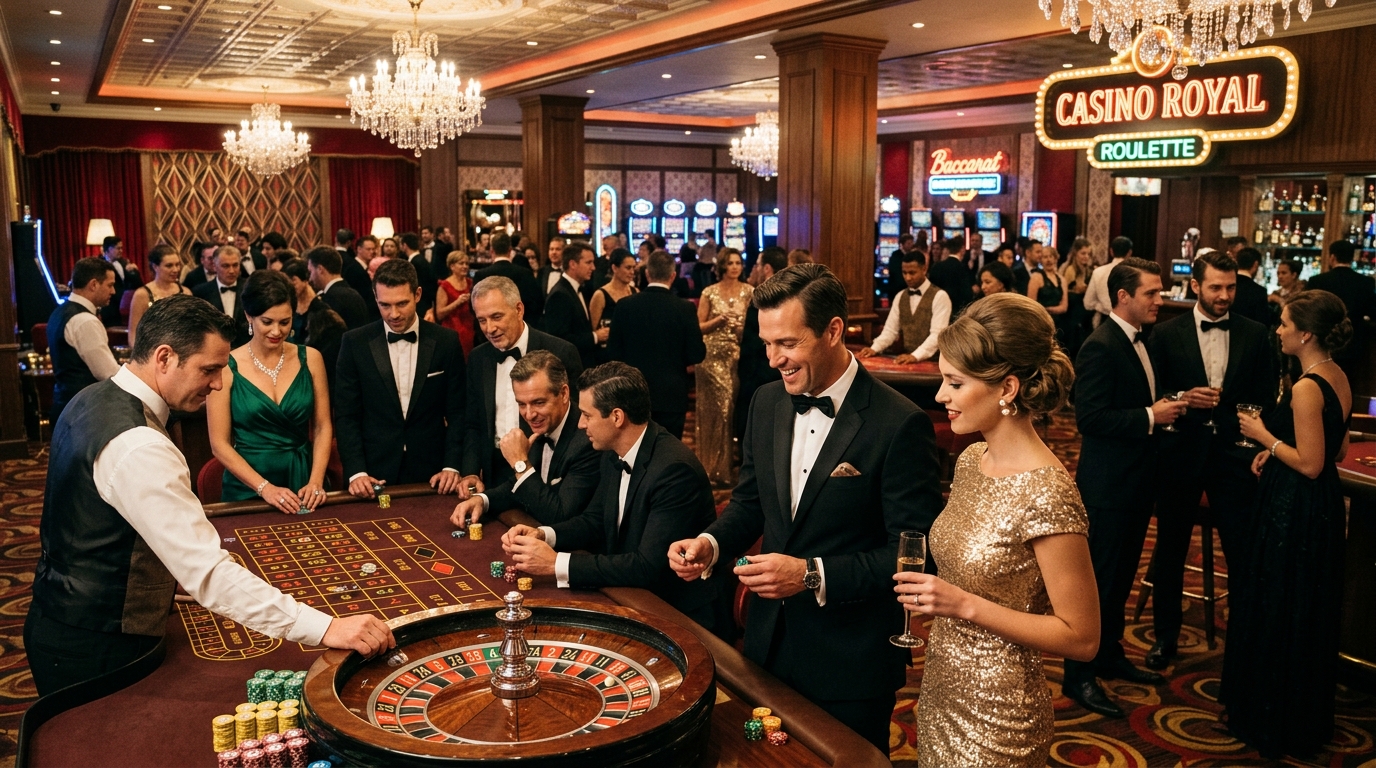
In the early 1940s, large military installations appeared in the city: a school for air gunners (the future Nellis Air Force Base). Under pressure from military officials unhappy with legal prostitution, city officials permanently eliminated the famous red-light district Block 16. In 1941, Thomas Hull opened the El Rancho Vegas Hotel, the first true country resort on the future Las Vegas Strip, famous for its gourmet buffet. In 1942, the Hotel Last Frontier opened on the site of the old Pair-O-Dice Club. However, it was the ethnic crime syndicates that brought about the real revolution. Having made millions from bootlegging, Meyer Lansky and Frank Costello sent gangster Bugsy Siegel to Vegas. Siegel, through shell banks, poured enormous funds into completing the construction of the luxurious Flamingo Hotel, which opened in December 1946. Flamingo combined European luxury, first-class service and a giant casino, targeting the wealthiest audience. In 1947, Siegel was shot and killed in Beverly Hills, but Flamingosurvived and began to generate huge profits. Realizing the enormous potential of the legal punting business, the mafia began the massive construction of hotels. In the 1950s, the legendary Sahara, Sands, Riviera, Fremont and Tropicana were built with Teamsters pension money (issued by Allen Dorfman with the approval of Jimmy Hoffa) and with the support of the Bank of Las Vegas. By 1954, the city was visited by more than 8 million tourists a year, leaving over $200 million in casinos.
Key Facts:
- Siegel's Flamingo set the standard for modern integrated hotel-casino hotels on the Strip.
- The Teamsters Pension Fund was the mafia's secret giant bank that built most of the casinos in the 50s.
7. Nuclear Tourism: Outbreaks in the Desert (1951–1962)
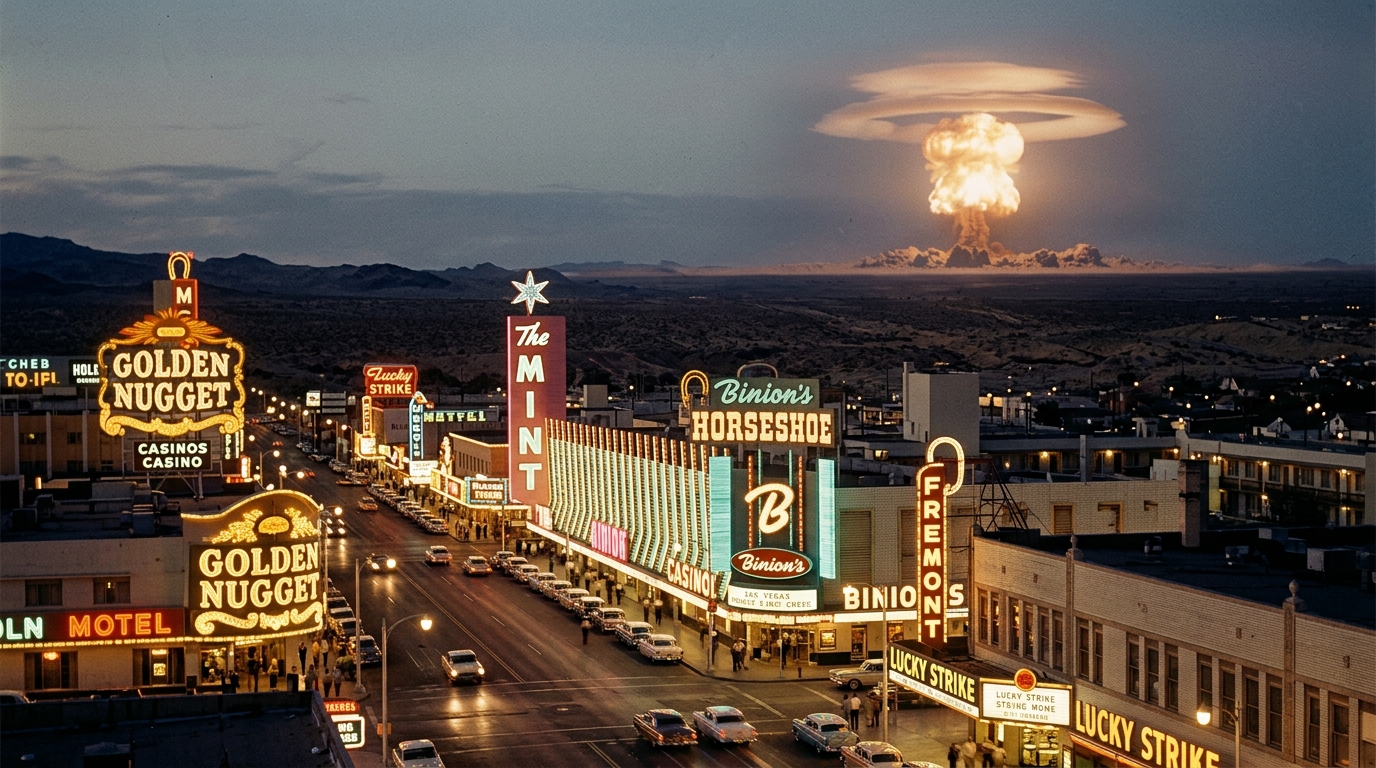
On January 27, 1951, the first atmospheric nuclear explosion in history was carried out at the Nevada Nuclear Test Site, just 100 kilometers north of Las Vegas. In the context of the Cold War and complete public ignorance of the destructive power of radiation, Las Vegas turned the deadly tests into a grandiose tourist show. The city's Chamber of Commerce has officially given Vegas the nickname 'Atomic City'. At the Desert Inn hotel, in the Sky Room restaurant, which had the best view of the test site, guests were offered signature 'Atomic cocktails' (a mixture of gin, vodka and champagne). Tourists picnicked at night in the hills to watch the sunrise with a blinding flash, and the blast waves literally shook the windows of the casino. The city held Miss Atomic beauty pageants, positioning the explosions as a symbol of modernity and progress. In total, more than a hundred atmospheric tests were carried out at the test site, until in 1963, according to an international treaty, they were moved underground (testsceased completely in 1992).
Key Facts:
- Las Vegas became the only city in the world to make nuclear explosions a commercial entertainment.
- After the era of open explosions, cancer statistics in the region turned out to be catastrophically high.
8. 'Mississippi of the West': The Struggle Against Segregation (1950–1975)
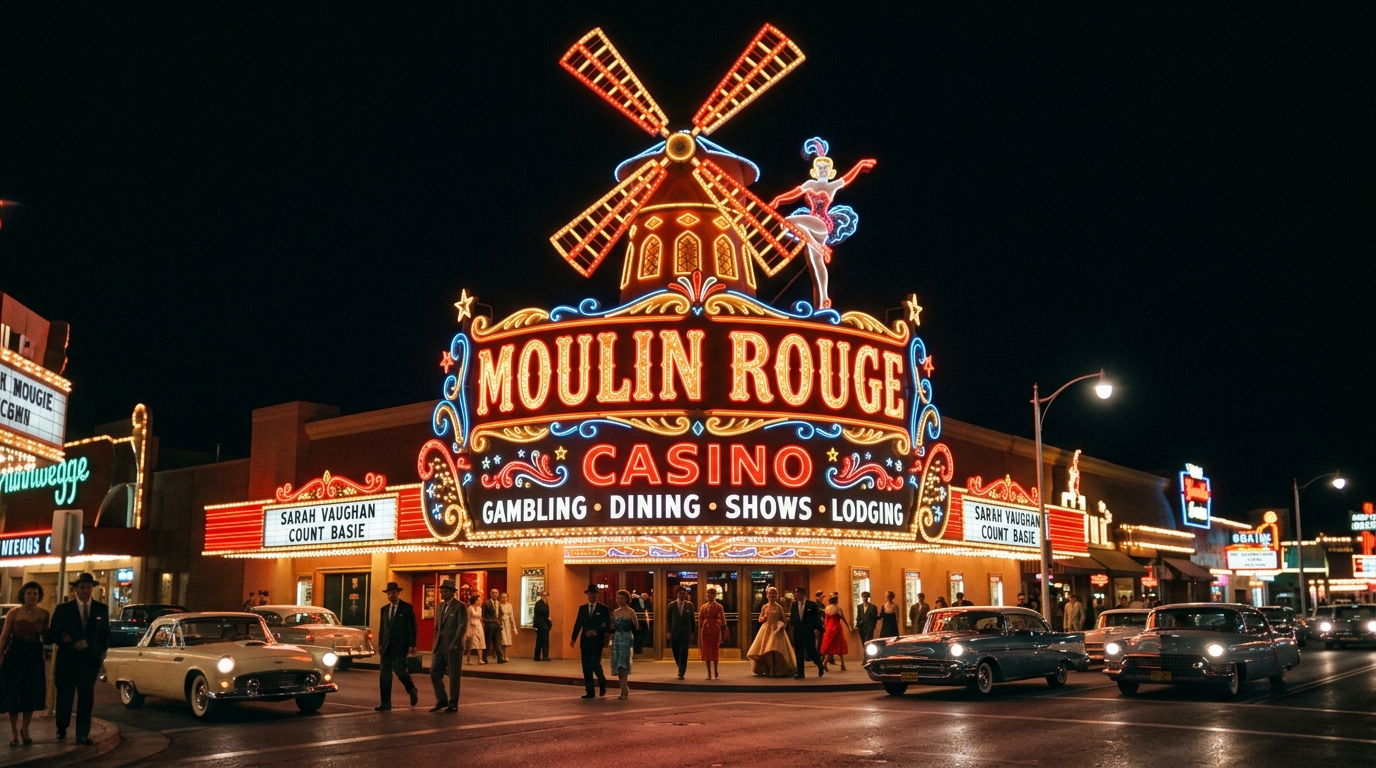
In the 1950s, Las Vegas gained a reputation as the "Mississippi West" due to its harsh Jim Crow racial laws. Despite the fact that great black musicians (Sammy Davis Jr., Nat King Cole, Harry Belafonte) sold out houses at the Sands and Riviera, they were strictly forbidden to live in these hotels, enter the casino from the main entrance, dine in restaurants and even swim in the pools (after black people swam, the water in the Strip pools was drained). Black people and workers were pushed into poor areas of West Las Vegas. In May 1955, punting magnate Will Max Schwartz opened the Moulin Rouge Hotel and Casino, Nevada's first luxury establishment completely free of racial segregation. Moulin Rouge was wildly popular; Frank Sinatra and his friends came there to relax after their shows. Although the casino closed due to financial disputes between the owners by the end of the year, it proved a commercial success of the integration. Frank Sinatra and the 'Rat Pack' played a decisive role:Sinatra flatly refused to perform at the Sands until Sammy Davis Jr. was given a suite and equal rights. In March 1960, threatened by a massive protest march organized by the NAACP led by Dr. James McMillan, Mayor Oran Gragson and casino owners signed an agreement to completely desegregate the city's workplaces and establishments. Mayor Gragson made history as a defender of the rights of minorities and the Paiute Tribe by preventing the feds from evicting the Indians from their reservation within the city.
Key Facts:
- Moulin Rouge was the catalyst for the fall of racial segregation in Las Vegas.
- Frank Sinatra used his enormous star power to fight for civil rights for black artists.